Product Description Generator: 10 Proven Tools for Winning Sales
The bottleneck of modern retail is no longer inventory sourcing or logistics; it is the production of high-quality, persuasive content at the speed of the market. Utilizing a product description generator has transitioned from a luxury to a technical necessity for brands managing more than a handful of SKUs.
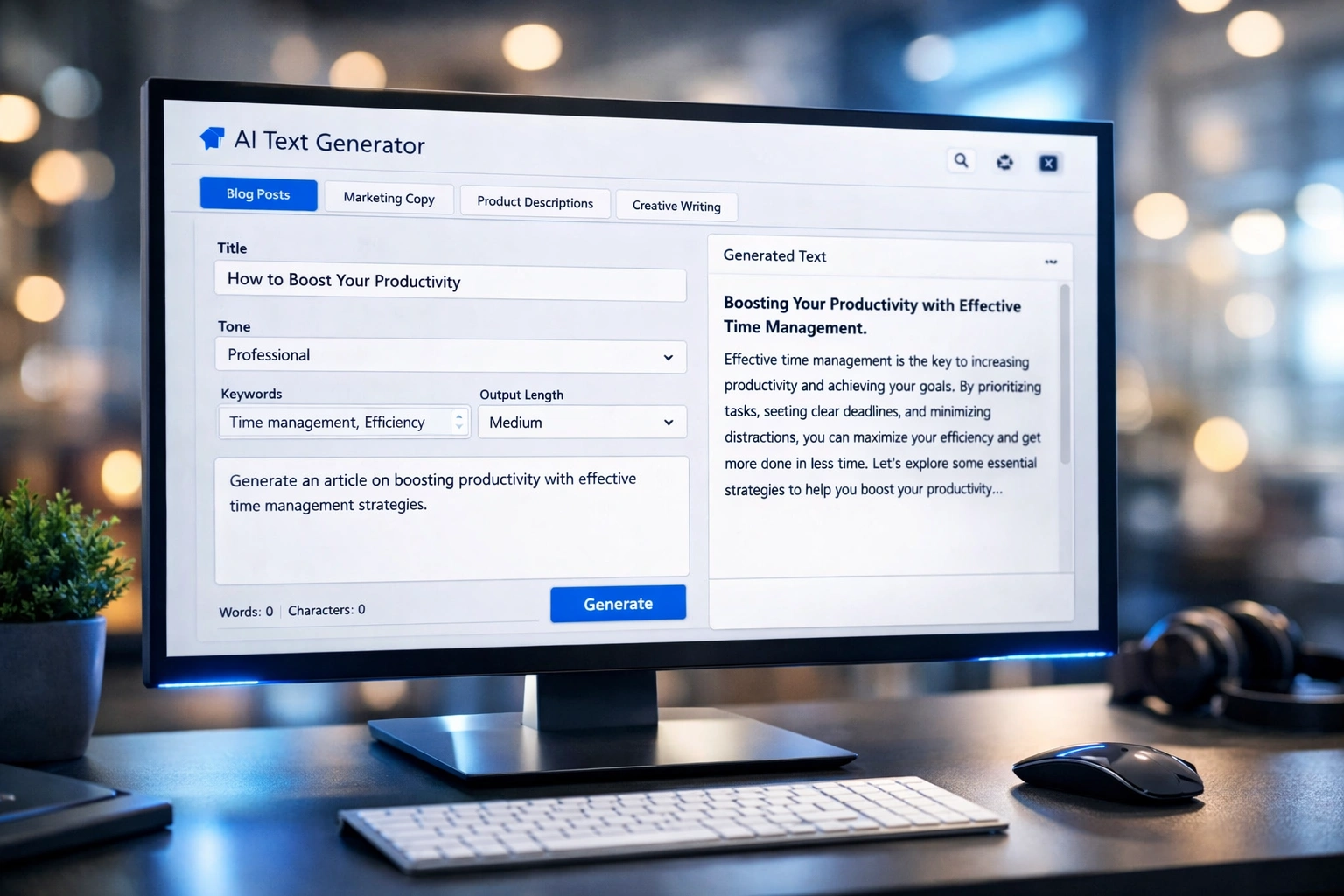
The Evolution of E-commerce Copywriting
Traditional copywriting methods required hours of research and manual drafting for every single item in a catalog. This human-centric approach, while high in quality, fails to scale when a merchant adds thousands of variations or enters new markets overnight.
The shift toward automation began with basic templates and “mad-lib” style scripts. However, those early attempts lacked the nuance required to convert modern consumers. Today, the landscape is dominated by sophisticated neural networks that understand the relationship between a product’s technical specifications and the emotional triggers of a buyer.
Core Benefits of Using a Product Description Generator
Integrating automation into your content pipeline offers more than just time savings. It provides a structured framework for excellence that manual writing often misses due to fatigue or human error.
Speed and Efficiency at Scale
Manual writing usually takes 20 to 40 minutes per product if you include research and SEO optimization. An ai product generator reduces this to seconds. This allows teams to focus on strategy rather than the repetitive task of describing a “cotton blue shirt” for the hundredth time.
Consistency Across Large Catalogs
Maintaining a unified brand voice is difficult when multiple copywriters are involved. One writer might be punchy and modern, while another is formal. A description maker ensures every piece of content follows the same brand guidelines, tone, and formatting rules, regardless of the volume.
How an AI Product Generator Interprets Data
To understand the effectiveness of these tools, we must look at the underlying engineering. Modern generators do not simply “guess” what to write; they process data through specific linguistic layers.
Tokenization and Neural Mapping
When you input a list of features, the AI breaks these down into tokens. It maps these tokens against vast datasets of successful e-commerce listings. This allows the tool to predict which words should follow “breathable fabric” to maximize the chances of a conversion.
Sentiment Analysis and Brand Voice Matching
High-end tools allow you to set a “sentiment” or “persona.” The AI then filters its vocabulary to match. If your brand is rugged and outdoorsy, the generator avoids soft, delicate adjectives, opting instead for words that evoke durability and adventure.
Comparison: Top 10 Description Maker Tools in 2025
| Tool Name | Best For | Technical Strength | Input Complexity |
| Copy.ai | Multi-channel ads | High-creativity workflows | Low |
| Jasper | Enterprise brands | Integrated SEO tools | Medium |
| Writesonic | Speed-to-market | Bulk generation via API | Medium |
| Describely | Shopify/Amazon | PIM integration | High |
| Anyword | Data-driven copy | Predictive performance scores | High |
| Rytr | Budget users | Mobile-friendly interface | Low |
| Hypotenuse | Image-to-text | Computer vision synthesis | Medium |
| Simplified | Graphic design teams | Full asset suites | Medium |
| TextCortex | Developers | API-first architecture | High |
| Peppertype | Small agencies | Quick ideation | Low |
Choosing an AI Description Generator Free vs. Paid
Budgeting for software requires an understanding of the trade-offs between cost and output quality. While everyone loves a “no-cost” solution, the technical limitations can eventually hinder growth.
When Free Tools Suffice
An AI description generator free version is ideal for hobbyists or startups with fewer than 20 items. These tools are perfect for testing if AI fits your workflow without financial risk. They typically use older models (like GPT-3.5) which are capable but less nuanced than the latest iterations.
Limitations of Unpaid Models
The primary drawback of free software is the lack of “context window” and bulk processing. You often have to copy and paste one product at a time. Furthermore, free versions usually lack the sophisticated plagiarism checks and SEO auditing features found in premium subscriptions.
Technical SEO Strategy for AI Descriptions
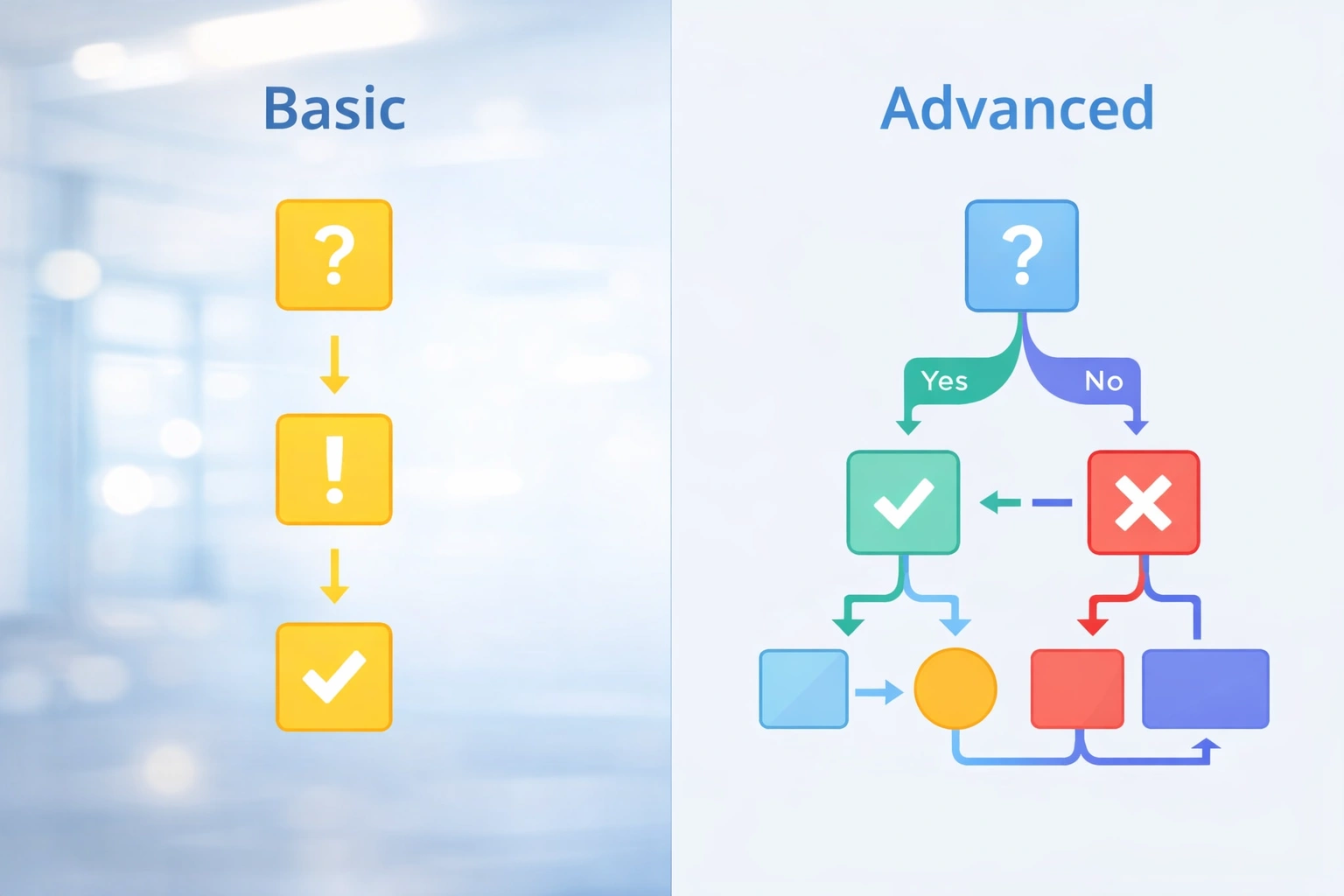
Search engines have evolved to recognize low-effort content. To rank, your AI description must provide genuine value and adhere to the latest E-E-A-T (Experience, Expertise, Authoritativeness, and Trustworthiness) standards.
Avoiding Duplicate Content Penalties
One risk of using popular generators is the production of generic text that looks like every other site. To avoid this, always provide unique “seed” data. Instead of just writing “running shoes,” include specific details about the sole technology or the designer’s intent.
Strategic Keyword Placement
An effective description maker should allow you to “anchor” specific keywords. These should appear naturally in the first 100 words and within the bulleted lists. Google prioritizes content that answers the user’s query immediately, so front-loading your most important information is critical.
Step-by-Step Guide to AI Workflow Implementation
Implementing these tools requires a systematic approach to ensure quality control.
Data Preparation: Organize your product specs into a clean CSV or spreadsheet. Include dimensions, materials, and unique selling points.
Prompt Configuration: Set your tool’s tone. For a luxury brand, use prompts like “Write a sophisticated and exclusive description using sensory language.”
Bulk Generation: Run your data through the ai product generator.
The Human-in-the-loop Audit: Assign a team member to check for “hallucinations” (instances where the AI invents facts).
SEO Finalization: Use a tool like RankMath to ensure the focus keyword density is correct.

The Future of E-commerce Content Automation
As we look toward 2026 and beyond, the integration of computer vision will be the next major shift. Soon, you will be able to upload a photo of a product, and the description maker will automatically identify the color, texture, and style without any manual text input.
This move toward multimodal AI will further reduce the friction of product launches, making it possible to go from a prototype photo to a live, SEO-optimized listing in minutes.
To stay ahead, e-commerce managers must treat AI as a permanent member of their creative team. The goal is not to replace human creativity but to provide a foundation that allows that creativity to flourish at an infinite scale.
Next Action:
Select three tools from the comparison table above that offer a trial. Run the same product through all three using identical data points and compare the output for factual accuracy and brand alignment.
FAQ
Can Google detect an AI description?
Google can detect patterns associated with AI, but their official stance is that they do not penalize AI content as long as it is high-quality, unique, and helpful to the user.
Is an AI product generator better than a human writer?
AI is faster and more consistent for bulk work, but human writers are still superior for high-stakes brand storytelling and emotional resonance. The best results come from a hybrid approach.
Do these tools support multiple languages?
Most leading platforms support over 25 languages, making them excellent for international e-commerce expansion and localized SEO.
What is the best AI description generator free of charge?
While many have limited trials, Copy.ai and Rytr offer some of the most generous free tiers for small-scale users.
SOURCE & RESEARCH DISCLOSURE
Baymard Institute: Used for data regarding e-commerce user behavior and description scanning patterns.
Stanford University HAI: Referenced for insights into the accuracy of large language models in specialized niches.
Google Search Central: Sourced for 2025-specific guidelines on automated content and SEO rankings.