
Craps odds bet explained for sharper casino pricing
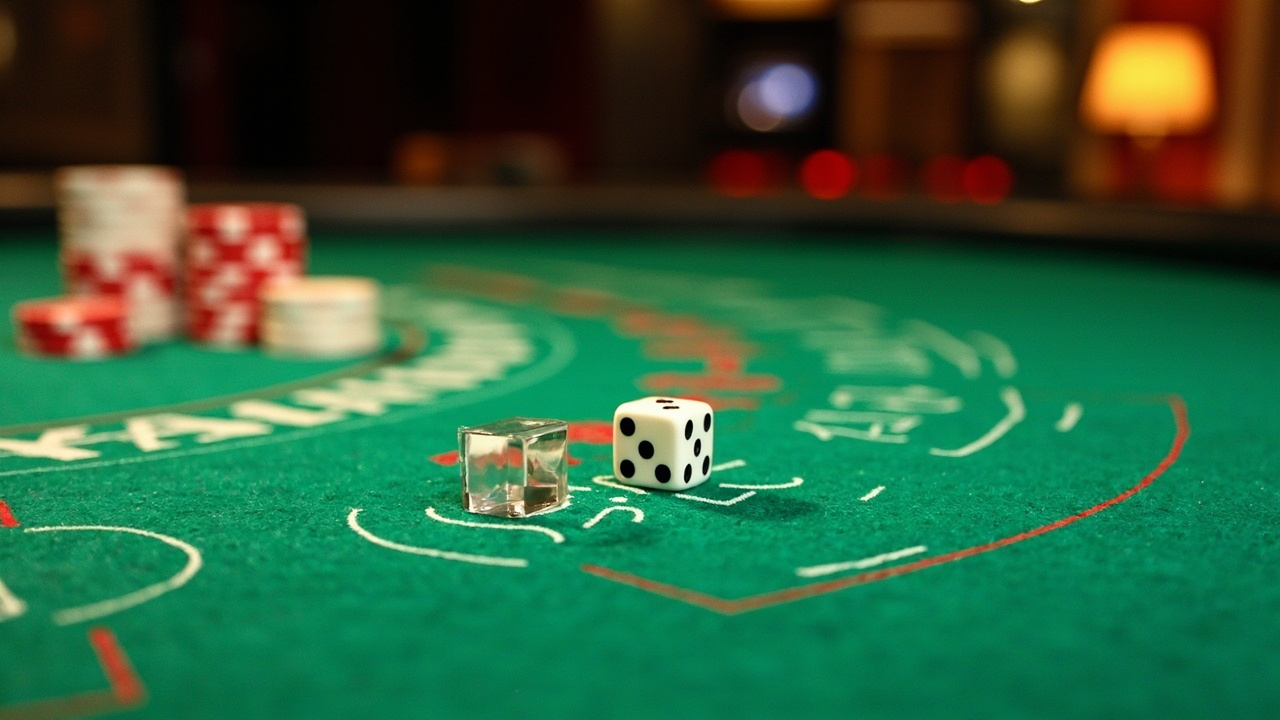
The point of craps odds bet explained is simple: it is the closest thing to a fair-priced wager inside a house that otherwise builds its edge into every line. I have traded markets where a half-point of pricing on a liquid book can shift exposure by millions, so I treat the odds bet the same way I treat a genuine market-neutral hedge – it only works when you understand what you are actually buying and where the house still holds the line. For an Australian player sitting in a Darwin pub or checking a phone on a Tuesday arvo, that distinction matters more than any slick bonus headline. The bet is real, the maths is real, and the limits around it are where the operator quietly manages risk.
That discipline matters even more when you step away from the table and into the broader ecosystem of casino strategy, where understanding edge and liquidity separates casual play from calculated risk. If you want a deeper breakdown of how disciplined hedging and value-seeking intersect in that environment, you can review the framework at vegas hero for high stakes. The core takeaway remains unchanged: price fairness is rare, and protecting your exposure requires the same rigor you would apply to any tightly priced book.
Why the odds bet sits outside the usual house edge
When craps odds bet explained comes up in a trading room, the first question is never the dice – it is the pricing structure underneath the proposition. The pass or don’t pass line carries a built-in edge because the payout does not match the true probability of the outcome. The odds component is different: it pays at true odds after a point is established, which means the house does not add a fresh margin on that portion of the stake. I have priced exposure on global books where a similar gap between quoted price and fair value is the entire business model, and the craps odds bet is the clearest casino example of that separation. It is not a magic way to beat the table; it is a way to place part of your money at a price that is not artificially marked up.
The practical catch is that the odds bet only exists once a point is set, and it has to be backed by a line wager. That means your total exposure is still tied to the initial bet, and the casino will cap the odds multiple it allows – commonly anywhere from one times the line up to a higher multiple depending on the table rules. From a risk perspective I view that cap as the operator’s exposure management, not a player benefit. If you are the sort of person who likes to think in terms of expected value, the odds portion is where your money is least distorted by the house edge, but it is still sitting inside a game whose overall structure favours the book over time. Responsible-gambling advocates campaign to reverse many of these persuasive design tricks, and the odds bet is one of the few places where the maths is honest enough that you can actually see what you are doing – provided you do not mistake a fair-priced slice for a winning system.
How the bet behaves once the point is set
Once the point is established, the odds wager is a separate stake sitting behind the line, and it wins or loses alongside it. The payout is based on the true odds of rolling the point again before a seven, which is why the numbers on the layout look different from the line payout. A four or ten pays at two to one, a five or nine at three to two, and a six or eight at six to five. In my work I see the same kind of asymmetric payout structure on sides of books where one leg of the trade is priced more efficiently than the other, and the lesson is identical: the better-priced part of the position does not remove the risk from the rest of it. If the seven rolls first, both the line and the odds bet lose, and the house edge on the line is what does the damage.
Australian players often hear the phrase bandied around as if it is a secret weapon, but from a pricing standpoint it is really just a way to allocate part of your stake to a lower-margin place in the same round. I would rather see someone treat it like a structured exposure decision – how much of the total stake is going into the true-odds portion, and how much is sitting in the marked-up line – than chase it as a standalone idea. Some baccarat players dramatically “squeeze” and bend cards while revealing them for luck, and craps has its own version of that theatre, but the odds bet is one of the few places where the outcome is not dressed up by ritual. If you are playing in Darwin on a slow night and the table is busy as a lunch rush, the pace can still run hard, so the size of the odds multiple matters more than the noise around it.
What to compare before you put money in
The part of craps odds bet explained that actually affects your bankroll is the table rules around the odds multiple and the line payouts, because those are the levers that change your total exposure on each round. A table that allows a higher odds multiple gives you more room to put money into the true-odds portion, but it does not change the fact that the line bet still carries the house edge. I have sat on the risk side of books where a similar dynamic plays out on payment flows and cashier limits – the headline number looks generous, but the real constraints show up in processing, verification and the way limits are applied once you are inside the account. That is the same kind of judgement call I make when I read a deposit screen: the visible limit is not the same as the usable limit once verification and timing are layered on.
For an Australian player the practical comparison is less about the dice and more about how the whole session is set up. If you are moving money in and out of a cashier, the flow, currency and verification steps are where the session becomes real, and that is where I would rather see a player pay attention than read promotional copy about the table. A credible operator will be clear about what is actually supported, what currency the account runs in, and how withdrawals are handled once the money is in, rather than dressing the table up as a shortcut. If you are weighing where to put a stake and want a setup that is straightforward about its own rules, you can check vegas hero for high stakes and read the actual terms around limits and verification instead of assuming the layout tells the whole story. The odds bet is only useful if you understand it as one piece of a larger exposure decision, not as a line that stands on its own.
| Aspect | What it means in practice |
|---|---|
| Odds multiple | How many times the line bet you can place as a true-odds wager after a point is set |
| Line edge | The built-in house margin on the pass or don’t pass wager that the odds bet does not remove |
| Payout asymmetry | True-odds payouts differ by point number, so the same odds stake pays differently depending on the point |
| Exposure control | The casino’s cap on the odds multiple is a risk-management tool, not a player advantage |
The honest read is that craps odds bet explained is useful to the player who wants to see where the pricing is fair and where it is not, and to the operator who uses the cap to keep exposure within a manageable band. If you treat it as a way to put part of your stake at a less distorted price, it earns its place at the table; if you treat it as a way around the house edge, the maths says otherwise. For an Australian adult playing responsibly, that distinction is the whole story – the bet is real, the limits are real, and the rest is just noise around the layout.